

Key Takeaways
- Music therapy uses structured activities led by trained professionals to support cognitive health and emotional well-being
- Music can help reduce agitation and confusion in seniors with memory loss, dementia care needs, and cognitive disorders
- Regular music therapy activities can create moments of connection and improve communication, mood, and quality of life for seniors
- Memory care communities often integrate music therapy into daily routines and personalized care plans
How Music Therapy Helps Seniors
When you hear your favorite song from decades past, something magical happens. Your mind fills with recollection, your mood lifts, and for a moment, time seems to pause.
For seniors, especially those facing memory loss or cognitive disorders, the connection between music and memory becomes even more powerful.
Music therapy offers a structured approach to musical activities guided by trained professionals to support physical, emotional, and cognitive health.
Unlike simply playing background music, Barton House Nashville and quality memory care communities can offer music therapy as a purposeful approach designed to spark meaningful engagement and meet specific goals for each person’s care needs.
How Can Music Therapy Support Memory Care and Cognitive Health?
Music has a unique way of reaching parts of the brain that remain active even when memory loss occurs. When your loved one hears a familiar melody, it can trigger recollections that seemed lost, bringing moments of clarity and connection.
For seniors with Alzheimer’s disease or dementia care needs, music therapy can reduce confusion and agitation. A song from your loved one’s youth might help them recall their name, their spouse, or a cherished moment.
These musical connections provide comfort during challenging times when other forms of communication become difficult.
The rhythm and melody of familiar tunes create pathways that help seniors express themselves when words fail. You might notice your loved one humming along to a song they couldn’t remember hearing just moments before.
How Music Impacts Daily Life for Seniors with Memory Loss
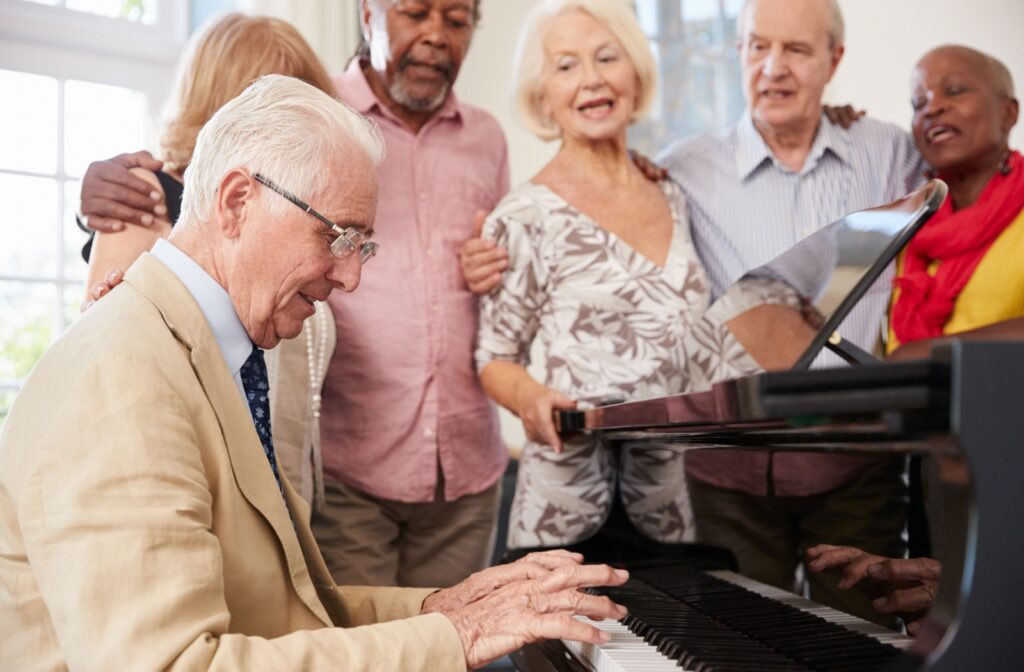
Music therapy can help seniors communicate and connect with others in meaningful ways. During group singing sessions, you’ll often see residents who rarely speak begin to join in with songs they recall from their past.
The emotional benefits are equally important. Music can lift spirits, reduce anxiety, and create a sense of calm that carries throughout the day. Many seniors experience improved sleep patterns when soothing music becomes part of their evening routine.
Physical and Emotional Benefits of Music Therapy
Beyond memory support, music therapy can offer remarkable physical benefits.
The rhythmic elements can help seniors with Parkinson’s disease improve their movement and coordination. Clapping, tapping, or gentle dancing to music can enhance motor skills and provide gentle exercise.
Music also serves as a natural stress reliever. When older adults participate in musical activities, their blood pressure often decreases, and they experience less physical tension. The relaxation response can help with pain management and overall comfort.
For seniors receiving 24/7 support, music therapy becomes a valuable tool for caregivers to create peaceful moments throughout the day. The right song at the right time can transform a difficult situation into an opportunity for connection.
How Music Therapy Calms Agitation and Behavioral Challenges
When cognitive disorders cause confusion or frustration, music can provide comfort. The familiar melodies act as anchors, helping older adults feel more grounded and secure in their environment.
Caregivers can often use specific songs or musical techniques to help redirect attention during challenging moments. The gentle approach respects your loved one’s dignity while providing the support they need.
Music Therapy Activities That Make a Difference
Memory care communities can incorporate various musical activities into daily life. Singing sessions featuring songs from the 1940s, 50s, and 60s often bring the most engagement, as these melodies connect with residents’ younger years.
Simple instruments like tambourines, bells, or maracas allow seniors to actively participate, even when mobility is limited. The act of creating music together builds connections between residents and creates joyful shared experiences.
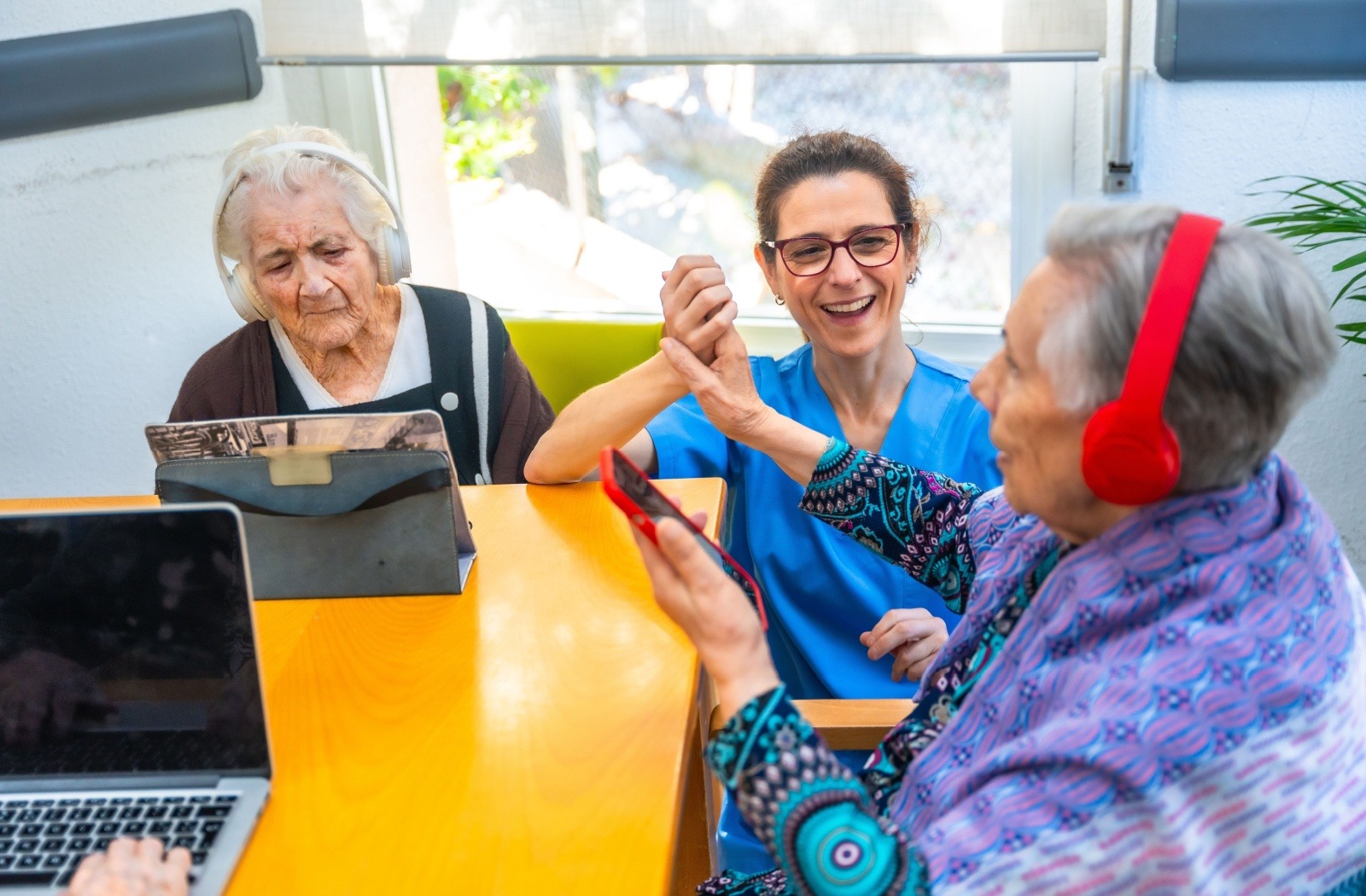
Personalized playlists based on your loved one’s musical preferences can be used during quiet times or personal care routines. These individual touches make each day more meaningful and comfortable.
Music Moments in Daily Routines
Music naturally weaves into everyday activities. Soft melodies during meals can create a more relaxed dining atmosphere. Upbeat tunes during morning activities help start the day with energy and positivity.
Family members can participate by sharing favorite songs or attending music events. These shared experiences create new positive memories while honoring cherished ones from the past.
Finding the Right Music Therapy Program
Quality memory care communities recognize music’s therapeutic value and blend it into their comprehensive care approach. Look for programs that employ qualified music therapy professionals who know how to adapt activities for different cognitive levels.
At Barton House Nashville, music therapy is woven into the fabric of daily life, providing residents with meaningful opportunities to connect, express themselves, and experience joy.
Our compassionate team recognizes that each person’s musical journey is unique, and we work to create personalized experiences that honor individual preferences and memories.
If you’d like to learn more about how music therapy can enrich your loved one’s daily experience, schedule a tour to see our programs in action.