


Key Takeaways
- Modern hearing aids offer various styles and features to match different needs and comfort levels
- Sound quality, comfort, ease of use, and certain features that support function are the most important factors when choosing hearing aids
- Medicare typically doesn’t cover hearing aids, but alternative payment options exist
- Seniors with memory loss can benefit from specialized support and simplified hearing aid features
When you notice your loved one asking you to repeat yourself more often or turning up the television volume, it might be time to explore hearing aid options. Hearing loss affects millions of seniors, but finding the right solution doesn’t have to feel overwhelming.
Understanding how hearing changes impact cognitive and mental health can help you provide improved support during this process.
The right hearing aids can significantly improve your loved one’s quality of life by helping them stay connected to conversations, enjoy their favorite activities, and maintain their independence.
Understanding Hearing Aid Options for Seniors
Types of Hearing Aids Available
Today’s hearing aids come in several different styles to meet various needs and preferences.
Behind-the-ear models sit comfortably behind the ear and work well for most types of hearing loss. In-the-ear options fit directly in the ear canal, offering a more discreet appearance, but may be harder for some people to handle.
Your audiologist can help determine which style works for your loved one’s specific hearing loss and dexterity level.
How Hearing Loss Affects Daily Life
Hearing loss impacts more than just the ability to hear sounds clearly. Your loved one might start avoiding social situations or feel frustrated during conversations. They may also miss important sounds, such as doorbells, phone calls, or safety alarms.
These challenges can lead to feelings of isolation and affect their overall well-being.
When to Consider Professional Help
Schedule a hearing evaluation if you notice your loved one frequently asking people to repeat themselves or speaking louder than usual. Other signs include difficulty following conversations in noisy environments or seeming confused during discussions.
An audiologist can determine the extent of hearing loss and recommend appropriate solutions. Early intervention often leads to more successful outcomes and easier adjustment periods.
What to Look for When Choosing Hearing Aids
Sound Quality and Volume Control
Clear, natural sound quality should be your top priority when selecting hearing aids. Look for devices that amplify speech while effectively reducing background noise. Many modern hearing aids automatically adjust volume based on the environment.
Ask about programmable settings that can be customized for different situations, like restaurants, outdoor activities, or quiet conversations at home. Your loved one should be able to hear comfortably without sounds seeming too sharp or muffled.
Comfort and Fit Considerations
Properly fitted hearing aids should feel secure but not cause discomfort during extended wear. Some people need time to get used to the feeling of wearing hearing aids.
Consider how easy it is for your loved one to insert and remove the hearing aids, especially if they have arthritis or limited dexterity. Larger controls and simple operation features can make daily use much more manageable.
Technology Features That Matter Most
Focus on features that will genuinely improve your loved one’s daily experience rather than getting overwhelmed by every available option.
- Bluetooth connectivity: Streams audio directly from phones and TVs for clearer sound
- Directional microphones: Enhance conversations while filtering out background noise
- Feedback cancellation: Eliminates the whistling sounds common in older models
How Long Do Hearing Aids Typically Last
Average Lifespan Expectations
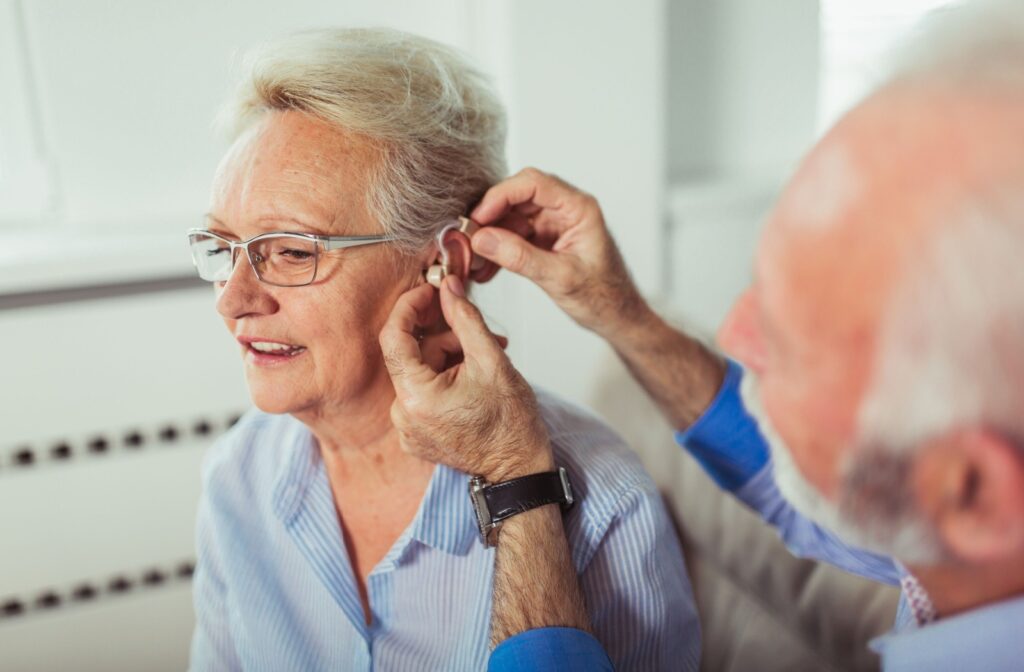
Most hearing aids function well for 3–7 years with proper care and regular maintenance. Your loved one’s lifestyle and how frequently they wear their hearing aids also affect longevity.
Moisture, earwax buildup, and physical impacts can shorten the lifespan of hearing aids. Using a dehumidifier overnight, cleaning devices regularly, scheduling professional tune-ups, and storing devices in a protective case can help prevent many common problems.
Signs It’s Time for Replacement
Replace hearing aids when they no longer provide adequate amplification, even after professional cleaning and adjustments. Frequent repairs, poor sound quality, or physical damage, such as cracks in the casing, indicate it’s time for new devices.
Changes in your loved one’s hearing may also require newer technology or different features. Annual hearing tests help track these changes and determine when upgrades become necessary.
Medicare Coverage and Hearing Aid Costs
What Medicare Does and Doesn’t Cover
Traditional Medicare doesn’t cover hearing aids or routine hearing exams for fittings. However, Medicare Part B may cover diagnostic hearing tests if your doctor orders them to determine if medical treatment is needed.
Some Medicare Advantage plans offer hearing aid benefits as additional coverage. Review your specific plan details or contact your insurance provider to understand what’s included.
Alternative Payment Options
Many hearing aid providers offer financing plans that spread costs over monthly payments. Some audiologists provide package deals that include follow-up adjustments and maintenance services.
Flexible spending accounts or health savings accounts can often cover the cost of hearing aids. Veterans may qualify for hearing aid coverage through VA benefits.
Special Considerations for Seniors with Memory Loss
How Memory Loss Affects Hearing Aid Use
Seniors experiencing memory loss may forget to put in their hearing aids or become confused about how to operate them. They might also lose or misplace hearing aids more frequently. These challenges require extra patience and support from family members or caregivers.
Cognitive disorders can make it harder to adjust to new hearing aids or remember care instructions. Working with experienced professionals who understand these unique needs—and how needs change over time—can make the process much smoother.
Simplified Controls and Features
Choose hearing aids with minimal buttons and automatic features for seniors with memory loss. Models that turn on automatically when inserted eliminate the need to remember power switches.
Avoid complicated programming options that require multiple button presses or menu navigation. Simple volume controls and basic on-off functions work most effectively for people with cognitive disorders.
Caregiver Support and Management
Caregivers can simplify daily hearing aid care by:
- Creating visual guides, such as using photos for easy cleaning and battery changes
- Establishing routines with a set daily schedule for use or cleaning
- Using apps with GPS tracking or remote adjustments to assist those with memory loss
When memory loss progresses, a senior living team can offer round-the-clock assistance to help keep your loved one’s hearing aids consistently maintained and functioning. Dedicated support also prevents social isolation and keeps communication lines open, improving quality of life.
Making the Right Choice for Your Loved One
Working with Your Healthcare Team
Involve your loved one’s primary care doctor in discussions about hearing health, especially if they have other medical conditions. Audiologists can coordinate with physicians to address any underlying causes of hearing loss.
Open communication between healthcare providers supports comprehensive care.
Trial Periods and Adjustments
Most reputable hearing aid providers offer trial periods that allow your loved one to test devices in real-world situations. Use this time to visit different environments, such as restaurants, grocery stores, and family gatherings. Take notes about what works well and what needs adjustment.
Plan for several follow-up appointments during the first few months. Fine-tuning hearing aids takes time, and your audiologist can make programming changes based on your loved one’s experiences.
Supporting Someone Through the Adjustment Process
Adjusting to hearing aids takes patience and understanding from family members. Your loved one may feel overwhelmed by suddenly hearing sounds they’ve missed for months or years. Encourage them during this transition period and celebrate small improvements.
Practice conversations in quiet environments before tackling noisy situations. Be patient if your loved one still asks you to repeat things as they get used to their new hearing aids.
Explore Support Through Our Connected Community
At Barton House Nashville, we understand that maintaining your loved one’s ability to communicate clearly is part of providing comprehensive, compassionate care.
Our dedicated team supports residents with hearing challenges, helping them stay connected to the people and activities they love.
When you’re looking for a community that prioritizes your loved one’s communication needs and overall well-being, schedule a tour and see how we can help your family.